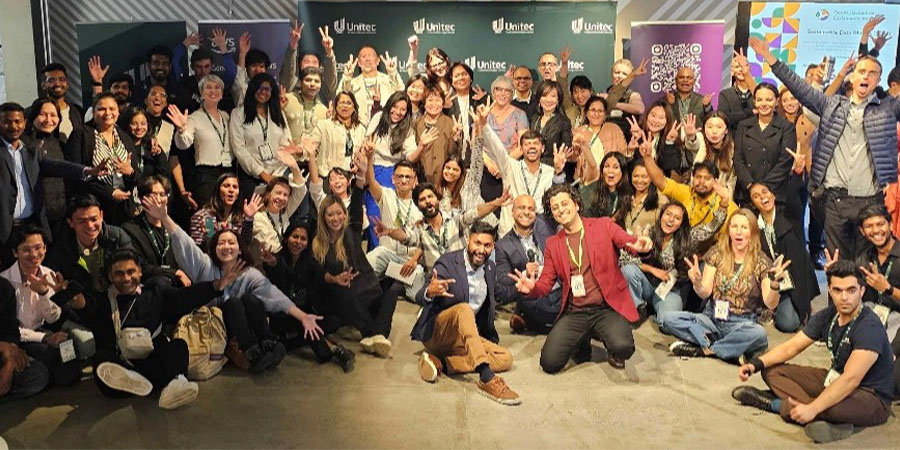
Preparing to host AI Hackathon as learners tackle real-world challenges
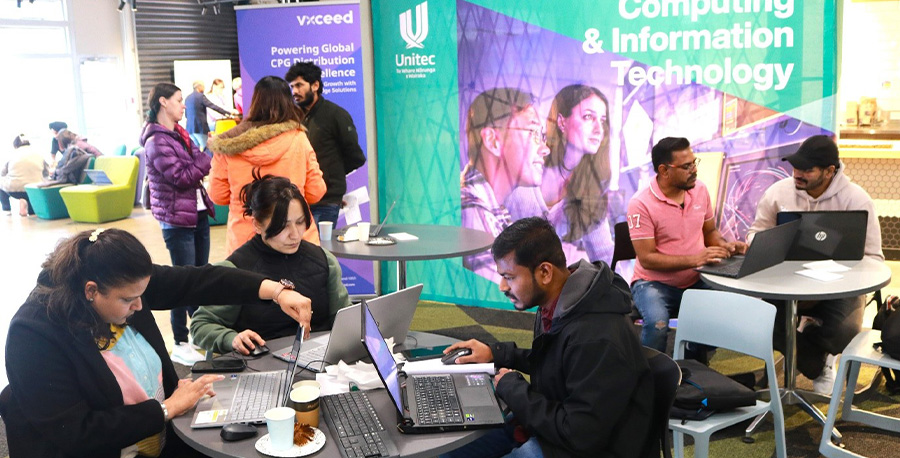
In brief:
- MIT and Unitec is hosting the Aotearoa AI Hackathon Festival from 6-8 August at our Mt Albert Campus with 120 secondary and tertiary learners expected to participate, including 62 of our ākonga.
- Over 48 hours, multidisciplinary teams will develop AI-powered solutions to challenges including food insecurity, digital accessibility, environmental sustainability and preparing for an AI-driven future.
- Learners will work alongside mentors from leading technology organisations, gaining practical experience and valuable industry connections.
- Winning teams will progress to the Aotearoa AI National Summit in September to pitch their ideas before a live audience and judging panel.
More than 120 secondary and tertiary learners from across Tāmaki Makaurau – Auckland will converge on our Mt Albert Campus this week to tackle real-world challenges using artificial intelligence at the Aotearoa AI Hackathon Festival.
Among those taking part are 62 of our own ākonga ‘learners’ studying computing, engineering, design, business, architecture, construction, and electrical and applied technology, which highlights the increasingly cross-discipline nature of AI and innovation.
Hosted by School of Computing, Electrical and Applied Technology in partnership with Seen Ventures, and supported by AI Forum New Zealand, IOT Forum NZ and industry partners, the event runs from 6–8 August.
The AI Hackathon is a 48-hour challenge where learners form teams to develop AI-powered solutions to real-world issues, from food insecurity and digital accessibility to preparing communities and industries for an AI-driven future.
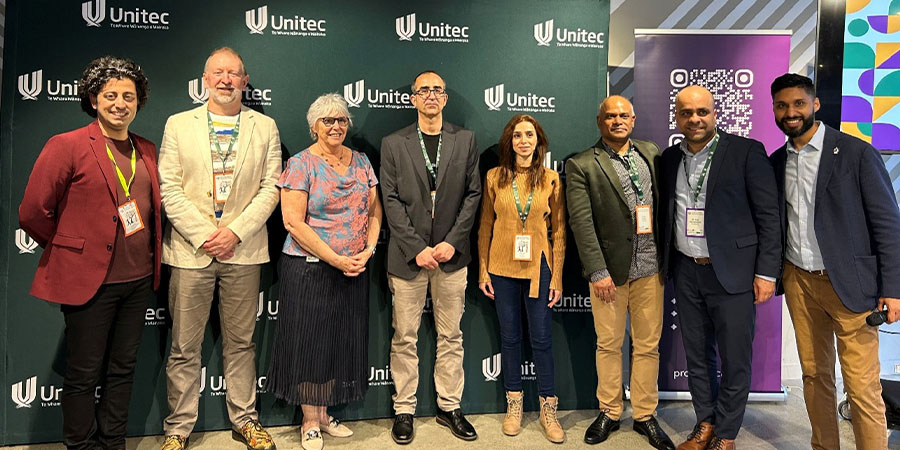
This year’s AI Hackathon will bring together a diverse range of kaimahi ‘staff’ and ākonga representing computing, engineering, design, business, architecture, construction, and electrical and applied technology.
Head of School Susan Bennett says the event gives learners an authentic experience of innovation and product development while building vital employability skills.
“Hackathons are great fun. Participants get to experience the challenges of product development in a simulated – and hopefully less stressful – environment,” Ms Bennett says.
“They need to work constructively as a team, find common ground, use a strengths-based approach to task allocation and draw on all the teamwork skills that employers value, all within a compressed timeframe.”
Susan says the hackathon also creates valuable connections between learners, industry mentors and different disciplines.
“The final session when teams present their projects to the audience is always incredible. What can be achieved in 48 hours is extraordinary, and we’re very happy to be part of this event.”
Senior Lecturer Dr Masoud Shakiba says the event is about more than technology.
“It is an opportunity to bring together students, professionals, entrepreneurs and innovators to develop AI-powered solutions that address real-world challenges and create meaningful impact across our communities,” Masoud says.
Senior Lecturer Dr Soheil Pour, one of the event mentors, says the experience can be particularly valuable for postgraduate learners preparing to enter the workforce.
“They create opportunities for students to apply their academic knowledge to real-world challenges, develop professional and teamwork skills, connect with industry experts, and establish potential pathways for employment and future collaboration,” Soheil says.
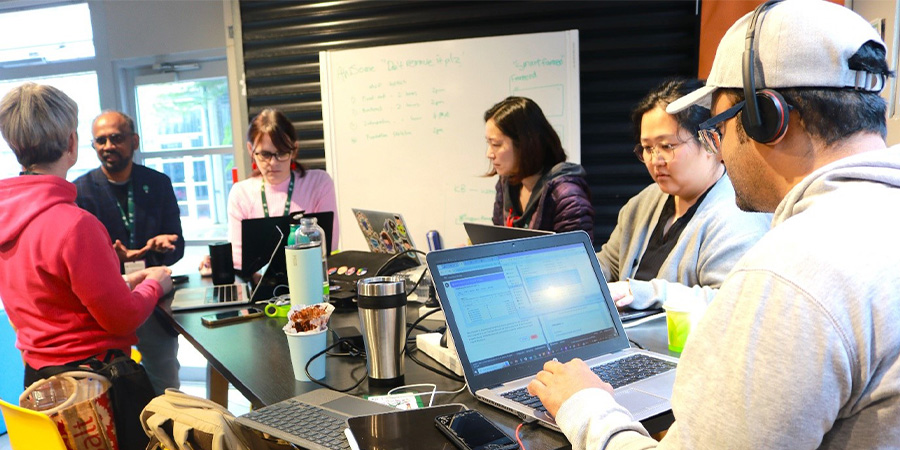
Students will get to work with industry mentors during the 48-hour challenge.
“This engagement reflects my ongoing commitment to strengthening postgraduate students’ industry connections, employability and collaborative learning opportunities.”
Seen Ventures Managing Partner Husain Al-Badry says the partnership with MIT and Unitec reflects a shared belief that practical experience is the best way to learn AI.
“We believe the best way to learn AI is to build with it and our partnership with MIT and Unitec brings together talent, technology and purpose to help people move from curiosity to creation,” Husain says.
“When diverse minds come together around meaningful challenges, that’s where the next generation of ventures begins. We’re excited to see the brilliant talent, products and ventures that will come from this event.”
The Mt Albert event is one of five Auckland locations participating in this year’s Aotearoa AI Hackathon Festival, which is being held simultaneously on nine sites across the motu.
Teams selected by judging panels at each regional event will advance to the Aotearoa AI National Summit in Auckland on 18 September, where finalists will pitch their ideas live in front of an audience.
Digital Learning Manager in Te Puna Ako Associate Professor James Oldfield, will join the judging panel alongside Aisha Daji Punga, CEO of Toitū Envirocare, Ben Dakers, Chief Digital Officer at Awanui Labs, and Nilay Rathod, General Manager Group Architecture and IT at Spark representing the AI Forum.
The three-day programme begins with a pōwhiri at Te Noho Kotahitanga Marae on Thursday and concludes with final presentations and judging on Saturday.
Technology companies BridgeWest Ventures, Databricks and Amazon Web Services are sponsoring the event.
For more information go to https://aihackathon.nz/