Nepal Parva brings our growing Nepalese community together
In Brief:
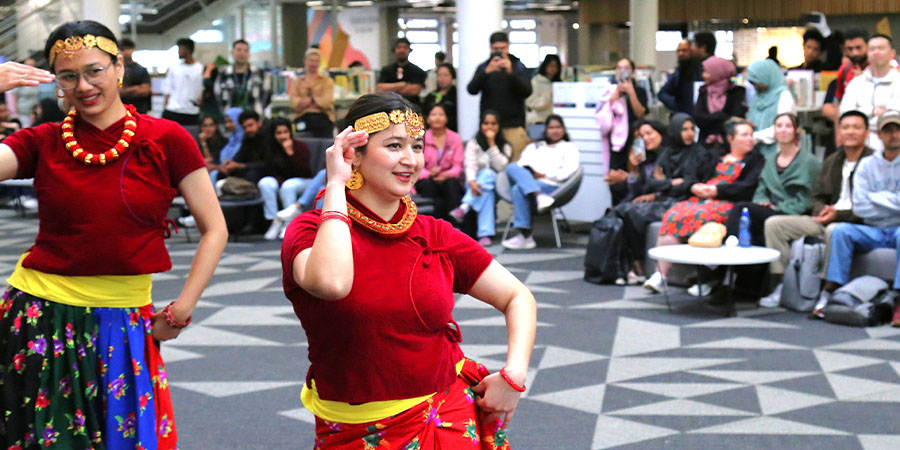
- Nepal Parva 2026 brought kaimahi ‘staff’ and ākonga ‘learners’ together at our Mt Albert Campus to experience traditional Nepalese food, performances and festival customs.
- MIT and Unitec has 158 Nepalese students enrolled, including 134 at Mt Albert and Waitākere Campuses and 24 at our Otara, Manukau and Tech Park Campuses.
- The Everest Nepalese Student Club has grown from three founding members to 92, helping students build friendships, maintain cultural traditions and share their heritage across the campuses.
Held during Dashain, one of Nepal’s most important annual festivals which runs from 11-20 October, the event highlighted the importance of family, respect for elders, cultural connection and community — values that bond Nepalese people living in the diaspora.
The Nepali population in New Zealand stands at 6,948, according to the Stats NZ 2023 Census. Almost half of the population reside in Auckland and Christchurch.
There are currently 158 Nepalese ākonga enrolled across our organisation, including 134 at the Mt Albert and Waitākere campuses and 24 across the Ōtara, Manukau and Tech Park campuses. This includes twenty-one Master of Applied Business students who joined us this month as part of the Semester Two B international student cohort.
Our growing Nepalese student community led to the formation of the Everest Nepalese Student Club, established at the end of 2025 to support Nepalese students.
Second-year Bachelor of Construction student Nilam Adhikari, the club’s founding president, says the idea came from his own experience of arriving in New Zealand and feeling isolated in a new country.
“When I first came here, it was very difficult for me to find Nepalese people. There weren’t many Nepalese students in my class, and I wanted to connect with others,” says Nilam.
“What started with just three of us has now grown to 92 members. Hopefully, we will reach 100 members very soon.”
Nilam says Nepal Parva provides an important opportunity for students to share their culture with the wider campus community.
“It is a showcase of our Nepalese culture, with performances of traditional songs and dances and the sharing of our food with the rest of the community. It was great to have fellow students and staff join us to learn more about our culture and traditions.”
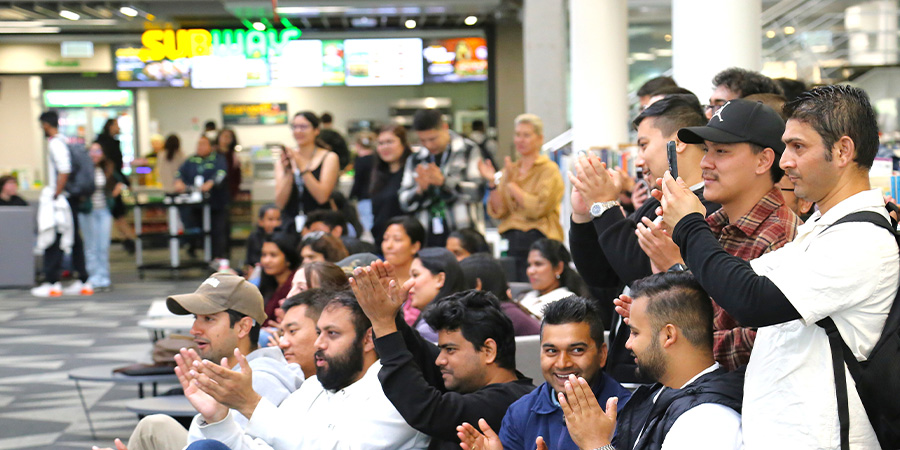
Nepali students enjoyed coming together to celebrate and share their culture through traditional performances and food.
A highlight of the celebration was the sharing of tika, a sacred mark applied to the forehead as a blessing for good fortune, health and prosperity. Traditionally associated with festivals such as Dashain and Tihar, tika reflects the importance of family bonds, respect and the passing on of blessings between generations.
Nilam says having an elder from the Nepalese community offer tika and blessings at Nepal Parva helped bring an important part of the festival to campus.
Valuing the opportunity to maintain these traditions in Aotearoa New Zealand while strengthening connections with other Nepalese people in Auckland.
“Everybody is able to celebrate their culture here. We learn from each other’s cultures, which is what makes studying here enjoyable — the diversity.”
For Kusal Pandey, who works with our International Student Support team while studying Civil Engineering, maintaining cultural connections is an important part of life in Aotearoa New Zealand.
Originally from Lumbini in western Nepal, recognised as the birthplace of Lord Buddha, Kusal arrived in Auckland in July 2025 to gain practical knowledge and experience that he hopes to apply to his future career.
He stays connected to his heritage by speaking Nepali with family and friends, enjoying traditional food, celebrating festivals and volunteering with Nepalese community organisations.
Dashain and Tihar are among his favourite celebrations. During Dashain, families gather to receive tika and blessings from elders, while Tihar includes Kukur Tihar, a distinctive tradition in which dogs are honoured with tika, flower garlands and special food in recognition of their loyalty and companionship.
Learning Access Advisor Ash Basnyat, who arrived in Auckland in 2002, says Dashain and Tihar bring back treasured memories of growing up in Gorkha, a historic region in central Nepal nestled in the Himalayan foothills.
Ash says Nepalese culture is a source of deep pride, from the country’s extraordinary landscapes and rich biodiversity to its history and the resilience of its people in the face of adversity.
The experiences of our students and staff at Nepal Parva reflect how cultural celebrations can help people maintain their identity, strengthen their sense of belonging at MIT and Unitec, while sharing their heritage with others.
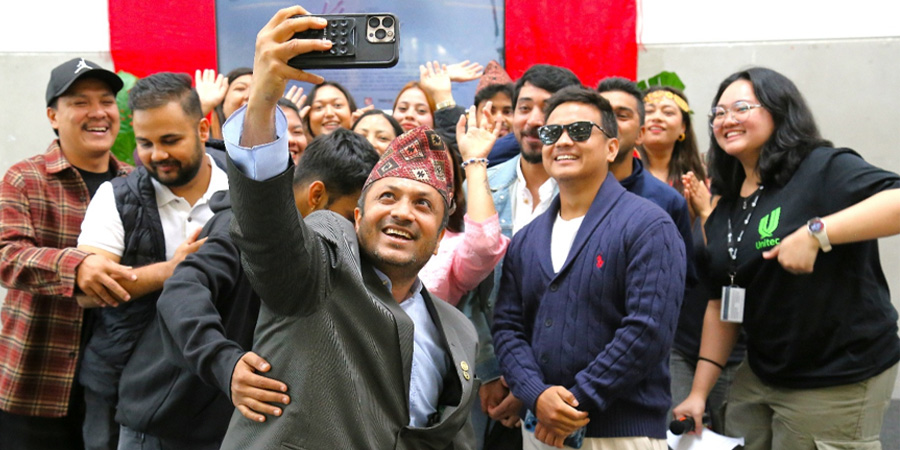
Meet our Nepalese community
Kusal Pandey | Customer Service Assistant & Civil Engineering student
“I am from Lumbini in western Nepal, the birthplace of Lord Buddha, and I am proud of the culture, hospitality and strong sense of community that define my heritage. I arrived in New Zealand in July 2025 to study Civil Engineering because I believe the practical knowledge and experience I gain here will be valuable for my future career.
“Dashain and Tihar are my favourite festivals because they bring families together and keep us connected to our traditions. During Dashain, we receive tika and blessings from our elders, while Tihar includes Kukur Tihar, when dogs are honoured with flower garlands, tika and special food to recognise their loyalty and companionship.
“I maintain my cultural connections by speaking Nepali with family and friends, enjoying Nepalese food, celebrating festivals and volunteering with community organisations that support Nepalese people living overseas. Nepal Parva is a great example of how we can support our students while sharing our culture with the wider community.”
Ash Basnyat | Learning Access Advisor
“I grew up in Gorkha, a historic region in central Nepal in the Himalayan foothills, where my family has lived for generations. I arrived in Auckland in 2002 to study, with my uncle acting as my guardian.
“I take great pride in Nepal’s rich history, distinctive culture, extraordinary biodiversity and resilient people. From the Himalayas and Mount Everest to the tropical jungles of the Terai, Nepal has remarkable natural diversity. I am also proud of the determination and optimism our people demonstrate when facing adversity.
“Dashain and Tihar are particularly meaningful to me because they bring back treasured childhood and family memories. Celebrating these festivals in New Zealand can make me miss relatives living back home and elsewhere in the world, but I am grateful to share the traditions, food and togetherness with my immediate family here.”
Nilam Adhikari | Bachelor of Construction student and Everest Nepalese Student Club president
“When I first arrived in New Zealand, I found it difficult to meet other Nepalese people, so I wanted to create a way for students to connect. The Everest Nepalese Student Club began with just three members at the end of 2025 and has since grown to 92. I hope we reach 100 members soon.
“Dashain is one of the most important festivals in my life. It is a time for family and community to come together, receive blessings from elders and share traditions. Having an elder from our Nepalese community offer tika and blessings at Nepal Parva was especially meaningful because it allowed us to continue that tradition here in New Zealand.
“My wife supports me while I study, and we enjoy living in a peaceful country. I really appreciate how supportive MIT and Unitec are and how much they care about students. Being able to celebrate our culture and learn about other cultures makes studying here a great experience.
“For me, some of the best parts of Nepalese culture are receiving blessings and sharing traditional food, especially roti and masu — meat curry or stew.”


