Interest in vocational pathways growing with high school learners
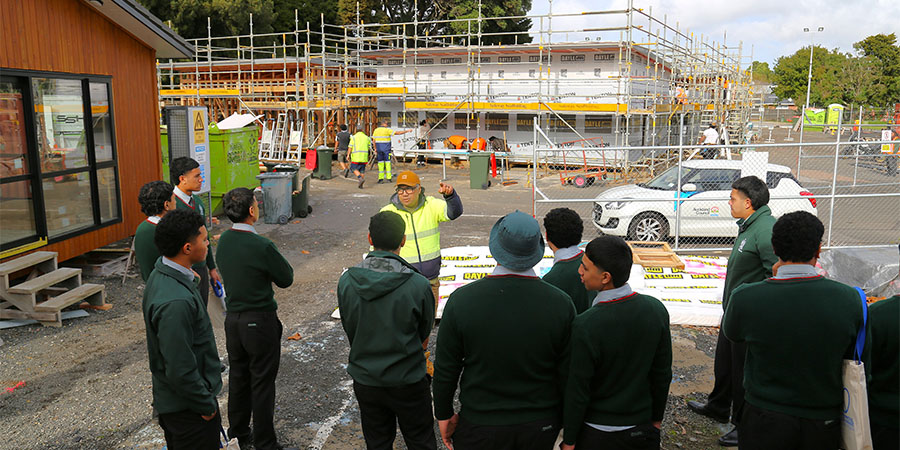
Unitec Pathways College (UPC) team is helping rangatahi (young people) to build their futures through vocational education.
The impact of pathways programmes is reflected in both learner outcomes and growing demand.
This year, 315 students from twenty secondary schools are enrolled in UPC programmes, up from 276 in 2025. Enrolments increased by 18 percent at the start of Semester One, highlighting the growing demand.
While twenty-eight students currently studying within School of Trades & Services at Mt Albert progressed directly from our vocational pathway programmes.
“We’re seeing more students and whānau recognise that vocational education provides a direct pathway into employment, apprenticeships and further tertiary study,” Transition Coordinator Jessica Rudman says.
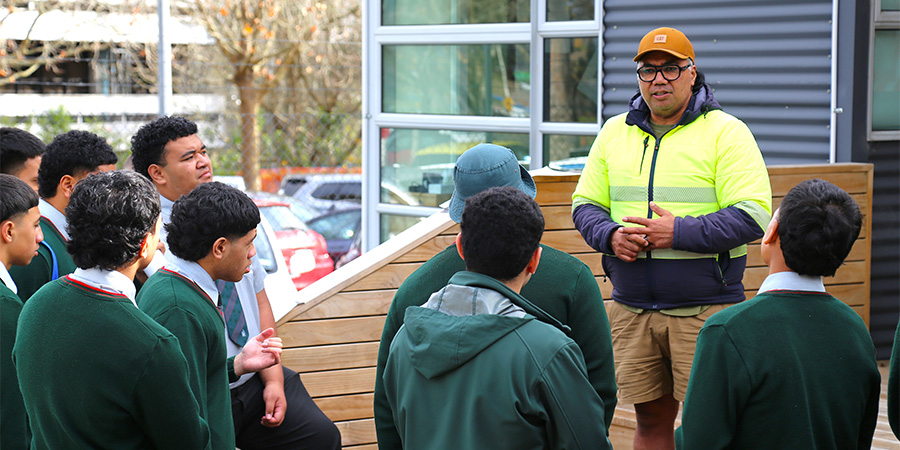
Automotive remains the most popular pathway, with 164 students enrolled, while Carpentry has attracted 108 learners.
Growing interest in Healthcare and Animal Care reflects increasing demand for vocational options across a wider range of industries.
“Several students have already transitioned from our school-based programmes into our trades programmes, which is exactly what these pathways are designed to do,” says Ms Rudman.
The UPC team will be busier than ever hosting several secondary school groups during Semester Break, preparing for holiday workshops and connecting with our communities at Career Expos across Tāmaki Makaurau – Auckland.
Last week marked a significant milestone for fifteen students from Dilworth School and Waitākere College, who completed a semester-long Level 3 Automotive programme at Mt Albert Campus.
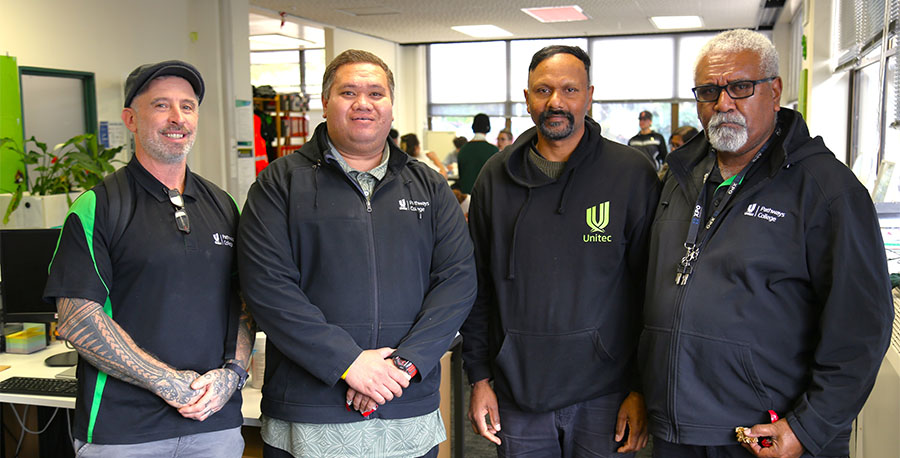
Their achievement was celebrated at a presentation ceremony in Building 111, where automotive lecturers Arbin Prasad and Paul Kurt Niutua, alongside technician Inoke Colavanua, presented certificates to the high-achieving learners from this cohort.
The programme is one of many vocational pathways delivered by UPC on our campuses in partnership with secondary schools.
Designed to connect students with tertiary education and future careers, UPC delivers NCEA Level 2 and 3 Vocational Pathway and STAR programmes that provide practical, industry-focused learning experiences while students are still at school.
MIT and Unitec also delivers the largest tertiary-based high school trades academy in the country at Manukau and Ōtara campuses.
The programmes providing much more than technical skills.
“Vocational pathways give rangatahi the opportunity to experience tertiary education while still at school, helping them build confidence, explore career options and make informed decisions about their next steps,” Jessica Rudman says.
UPC also works closely with secondary schools to create experiences that align with student interests, aspirations and workforce needs, helping young people gain meaningful exposure to a wide range of career pathways.
Last week, a group of senior Dilworth students spent three days exploring a range of study and career options. Lecturers and industry experts put them through their paces in Land Surveying, Structural and Geotech Engineering, Quantity Surveying, ArchiCAD, as well as flood risk mitigation through Landscape Design.
The students participated in hands-on activities, met academic staff and experienced what studying with us could look like.
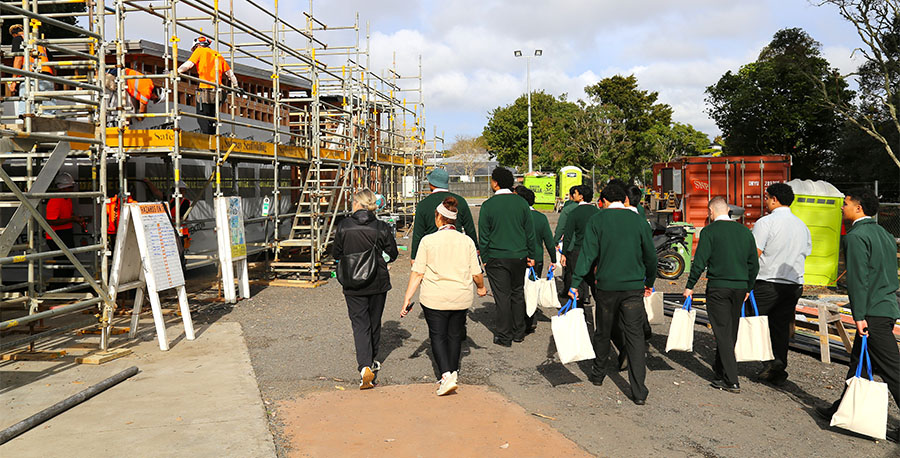
“They all had a great time – and I know the students were surprised at how much they enjoyed “learning through doing” about the different fields,” says Team Leader Academic Operations Leanne Kapoor.
“Because we’re happy to design tailor-made experiences, we’re getting a lot more interest in the breadth of our courses.”
“We sometimes lose students mid-year because they’ve secured employment or moved directly into tertiary study. Those are positive outcomes because it shows they’re finding a pathway that’s right for them,” Jessica says.
The impact extends beyond our campuses.
Waitākere College Carpentry students have been building a Fale (traditional Samoan house) on their school grounds in Henderson under the supervision of their Carpentry lecturer, Ruben Sigglekow. The Fale will become a teaching space for future generations of students.
Ms Rudman says when students see themselves in a future career and experience it firsthand, they’re more likely to engage, succeed and continue their education journey.
“That’s the real value of vocational pathways,” she says.


