MIT and Unitec researcher takes New Zealand’s early career research voice to global science summit
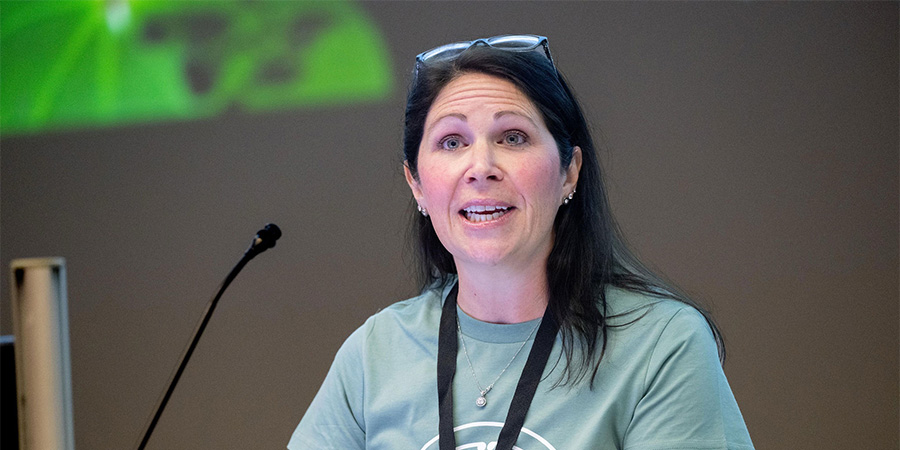
In Brief:
- Assoc Prof Cameron represented New Zealand’s early and mid-career research community at the International Science Council (ISC) Dialogue in Beijing, China from 19-24 October 2026.
- Global discussions explored the future of research, ethical AI, public trust in science and the importance of giving emerging researchers a meaningful voice in research leadership and decision-making.
- Her contribution highlighted the opportunities for applied research institutions such as MIT and Unitec to strengthen research impact through industry and community partnerships and develop the next generation of research leaders.
The summit brought together approximately forty internationally-funded early and mid-career researchers, alongside three hundred representatives from scientific organisations and university research networks from around the world.
Assoc. Prof. Cameron’s attendance was funded by the Chinese Academy of Sciences and made possible through her role as Chair of the Royal Society Te Apārangi which is a member of ISC.
The opportunity held particular significance as a researcher from an institute of technology and polytechnic (ITP), bringing an applied research perspective to an international forum traditionally dominated by university research networks.
The dialogue explored some of the major issues shaping the future of science, including the ethical use of artificial intelligence (AI) in research, science as a public good, the relationship between research and society, and the need to build the next generation of research leaders.
One of the strongest messages to emerge was that early career researchers (ECRs) must have a genuine voice in decisions about the future of science.
Assoc. Prof. Cameron, also Chair of the Academic Advisory Group for Threats to Research and Researchers, brought valuable experience in research advocacy.
“We undertake research, consultation, policy submissions and engagement activities to ensure ECR experiences and perspectives inform decisions affecting the research sector in New Zealand – so we are on the same page as the rest of the world,” says Assoc. Prof. Cameron.
Discussions highlighted the importance of meaningful representation in research governance and leadership, recognising that early career researchers are not simply the future of science but are already contributing as capable, knowledgeable and experienced leaders.
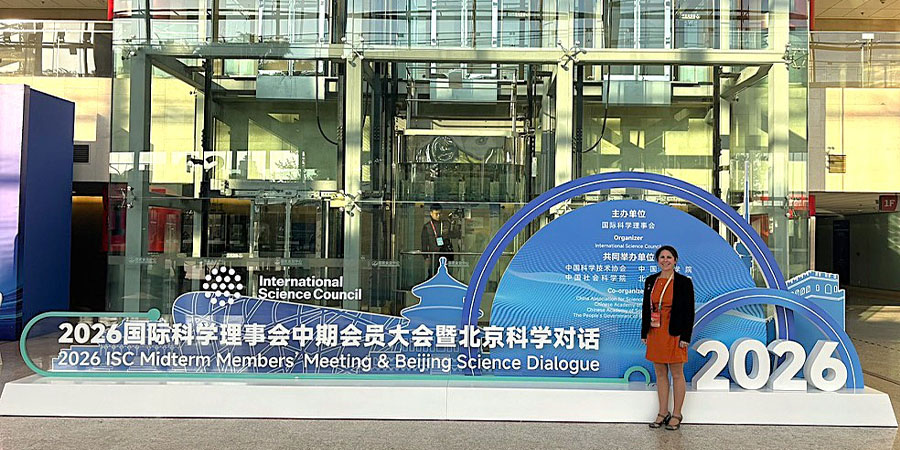
Assoc Prof Dr Kristie Cameron at the International Science Council Dialogue in Beijing, China from 19-24 October 2026.
Assoc. Prof. Cameron says this means researchers need to be prepared to advocate for themselves and actively participate in the conversations and decisions that influence their careers and the wider research environment.
“Nobody is going to advocate for researchers unless researchers advocate for themselves,” Kristie says.
“Especially ECRs, we need to be at the table, contributing to the decisions that shape our future. We are capable, knowledgeable and increasingly experienced leaders. We need to be brave enough to speak up, challenge assumptions and sometimes say the things that need to be said, even when they are uncomfortable.”
Another significant theme to emerge from the dialogue was the importance of science’s social licence – the public trust and recognition that enables research to continue and deliver value to society.
Delegates explored how scientific excellence alone is not enough. Researchers must also demonstrate the wider benefits of their work, engage meaningfully with communities and industry, and maintain the public confidence that underpins ongoing investment in science.
Assoc. Prof. Cameron believes this presents an important opportunity for applied research institutions such as MIT and Unitec.
Their close connections with industry, communities and end-users provide a strong foundation for demonstrating how research translates into practical outcomes, addresses real-world challenges and contributes to the public good.
This connection between research and its application is particularly important as the sector responds to emerging technologies, changing industry needs and the growing influence of AI.
The programme included an international workshop examining the effective and ethical use of AI in research, including how researchers can improve their visibility and discoverability, alongside further discussions about AI-enabled research workflows.
Delegates also considered the changing relationship between science and society through plenary discussions, workshops and meetings with international research organisations.
The programme provided opportunities to connect with international early career researcher networks, including the Global Young Academy and Australia’s Emerging and Mid-Career Researcher (EMCR) network, and explore potential future collaborations.
These connections could also support further research into the experiences, challenges and support needs of early career researchers themselves.
Beyond the formal discussions, delegates gained insight into China’s significant investment in research and scientific infrastructure through a visit to Huairou Science City, as well as a tour of a highly automated automotive manufacturing facility.
Reflecting on the experience, Assoc. Prof. Cameron says the discussions reinforced the importance of protecting the conditions that enable researchers to pursue important questions, challenge established thinking and contribute openly to scientific and societal debate.
Kristie’s participation also demonstrates the contribution researchers from vocational education providers can make to international research conversations, bringing perspectives grounded in applied research, industry collaboration and community impact.


