Kaimahi understanding of Te Ao Māori grows through new Micro-Credentials
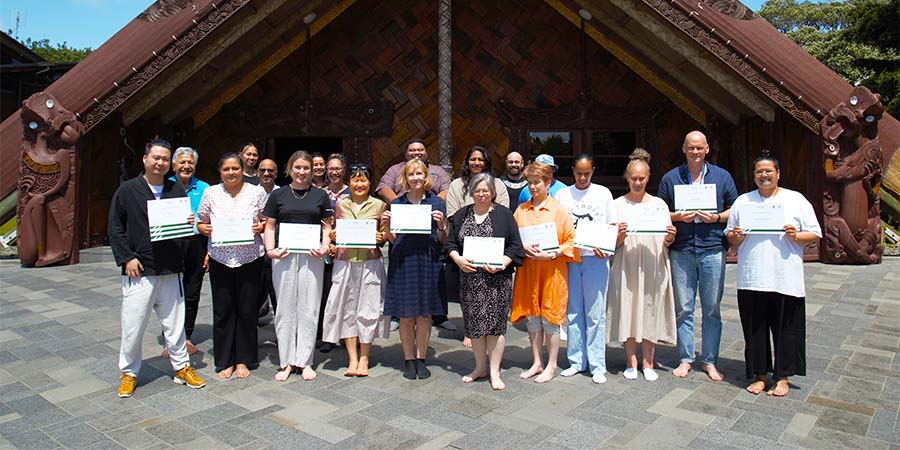
Twenty one kaimahi are engaging with mātauranga Māori more confidently after completing new short courses introduced by the MĀIA centre this year.
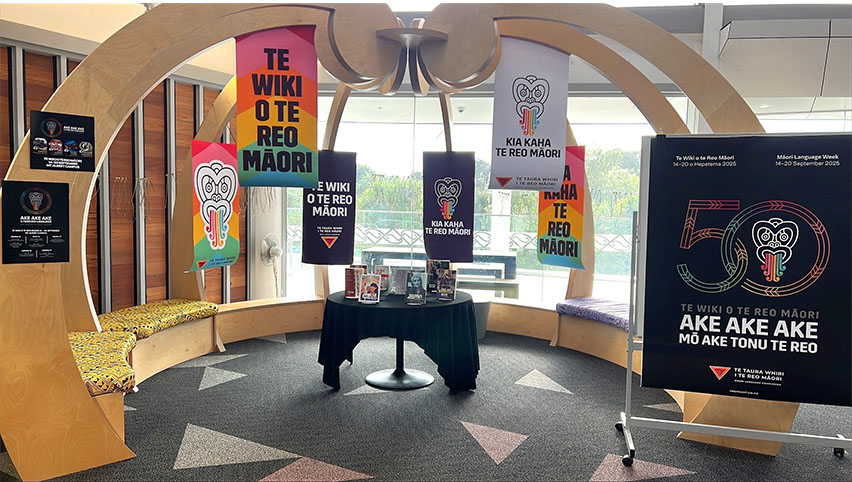
These micro-credentials equip ākonga with practical and cultural competencies to engage confidently and respectfully with Te Ao Māori.
“Together, they foster cultural awareness, inclusion, and confidence; enriching personal growth, strengthening professional practice, and enhancing engagement with Māori and diverse communities,” says Kaihautu Mātauranga Māori, Veraneeca Taiepa.
The Kaihautū team at MĀIA, which provides academic, cultural and pastoral support services for Māori, co-designed and delivered the suite of micro-credentials during Semester Two.
The three qualifications offered were: Taumata Oho: Pepeha (Analyse whakapapa and present pepeha/self-introduction); Taumata Tū: Tīkanga (Karakia, mihi, waiata for cultural engagement) and; Taumata Ora: Mātauranga Marae (Marae protocols: pōwhiri/ pōhiri/ whakatau).
Of the twenty one kaimahi who completed the short courses, two staff members successfully passed two and one staff member completed all three.
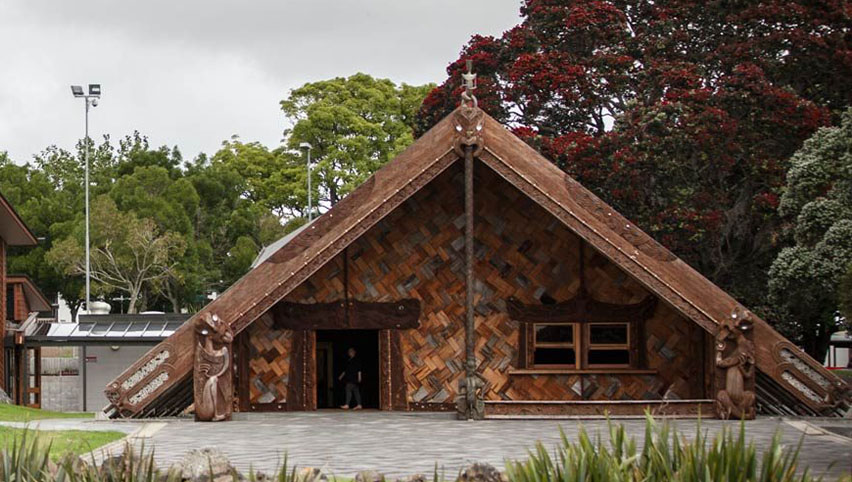
They were presented their certificates of completion at a ceremony at Ngākau Māhaki, Te Noho Kotahitanga Marae on Wednesday.
“The ceremony recognised not only the completion of the learning module, but was also a reflection of our collective effort to strengthen Te Ao Māori within our organisation,” says Ms Taiepa.
The micro-credentials are the first of their kind, accredited and approved by NZQA[AI1.1].
What makes these courses unique is the blended delivery mode of weekly online classes and a one-day onsite wānanga.
The timeframe for delivery is also flexible meaning our courses can be tailored to run from a minimum of 5 weeks to 10 weeks maximum.
Our micro-credentials are generic and open to all community groups, organisations, businesses, and individuals.
They are designed to fit around the lives of working learners and geared to applying Māori cultural practices in their professional and personal lives.
Other similar courses run for a full semester and are delivered onsite. They are also often iwi or hau specific or designed for a particular sector.
After successfully piloting the courses with kaimahi, they will be offered to community groups, organisations and the public next year.
“The team made a strategic decision to deliver it in-house, before offering it to the public next year and in the years ahead,” Veraneeca explains.
Ms Taipea acknowledged her team and the support of others across the institution such as Tia Caffery (Senior Quality Administrator), Rakesh Patel (Business Analyst) and Abha Chitalia (Academic Advisor) for supporting their mahi.
“Their support has been unwavering as we navigated systems and processes that were, at times challenging and complex. Thank you for believing in us, staying committed and remaining steadfast to the kaupapa.”
Kaihautu and Kaiako Rikona Andrews added: “There is the serious side to this course because our culture is deep, but when we designed these courses we wanted to make it fun and accessible to everyone and I think we achieved that.
Taharangi – Director of Māori Success Vivienne Merito acknowledged all those involved and was encouraged by the growth of the kaimahi who took part, as Unitec prepares to join with MIT in the New Year.
Lecturer, Social Practice Zhi Chen, who completed all three micro-credentials, says he can’t wait to implement the learnings gained in his classes.
“I really enjoyed the course from the start of the wānanga when we developed connections with each other through the conversations – it was a very open space. As staff, we are always keen to learn and this course stimulated my intellectual and spiritual world,” Mr Chen says.
“At the Waitākere campus, we have lots of Māori students so we need to implement this knowledge into our class teaching so that we understand the students and create an open and safe space for them.”
Kaitiaki Taiao Hinewaimarama Reihana-White highly recommends the course to other kaimahi because it’s a great opportunity to build their own capacity within the Unitec community.
“What I enjoyed about the facilitation of this wānanga was how they were able to weave together all our different levels of understanding and help us to grow and develop no matter where we were on our journey of tikanga,” she says.
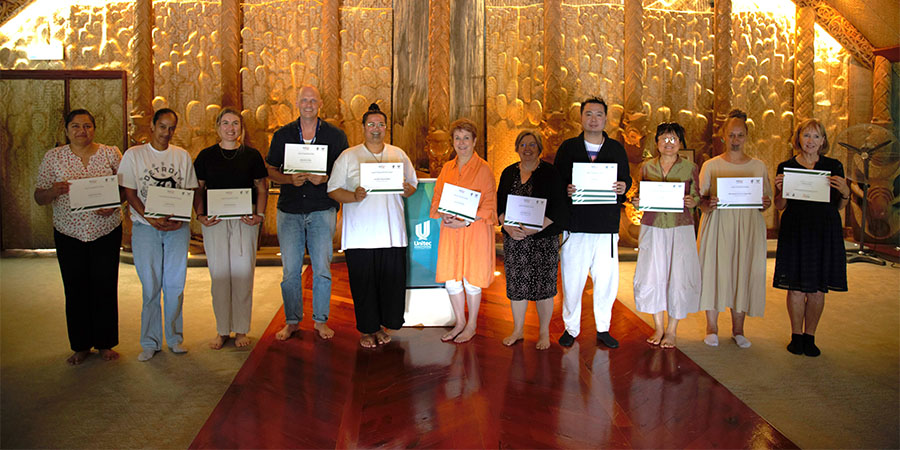
Congratulations to all our kaimahi in the pilot cohorts who completed their Mātauranga Māori micro-credentials:
- Taumata Oho: Pepeha: Jocelyn Williams, Seyhun Ogut, Ainsley O’Connor, Helena Murphy, Rebecca Jerram, Martin Gulley, Zhi Chen, Vanessa Byrnes, Sophie Bostwick
- Taumata Tu: Tikanga: Sophie Bostwick, Zhi Chen, Sue Crossan, Margie Rutherford, Hinewaimarama White, Jackie Tims, Sam Snedden, Mirela Szekely
- Mātauranga Marae: Zhi Chen, Hua Dai, Joy Hooper, Todd Hopkins, Nina Pelling, Camelia Pirika, Mirela Szekely, Ariana Williams
New Tikanga Māori Short Course compliments Micro-Credentials
Complimenting the suite of Unitec’s Mātauranga Māori Micro-Credentials is a new Tikanga Māori short course.
It was delivered for the first time by the Kaihautu team on Tuesday.
Ms Taiepa described the short course as a “pipeline to our three micro credentials so it’s really like a taster.”
The first participants of the course were employees from MAST Academy – a leading training provider of marine and specialised technologies.
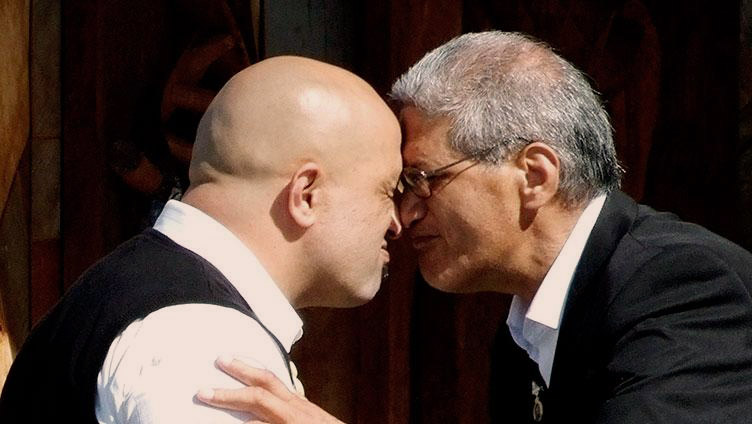
They learnt basic pōwhiri protocols and got to experience being welcomed on to Te Noho Kotahitanga Marae.
“It’s a half-a day-short course which is more suitable for businesses and we often get external requests to run a course with Māori cultural competency components and experiences in marae protocols and pōwhiri which is why we will also be offering this to organisations, businesses and educational providers next year,” says Ms Taiepa.
MAST Academy Chief Executive, Chris van der Hor thanked Unitec and says the short course was beneficial for his team.
“Each one of our team bring their own skillsets and mana to MAST Academy which we pass on to Aotearoa and all the people we deal with, so it is good to get all that wisdom and support. Thank you for your guidance,” he says.