Explore your options
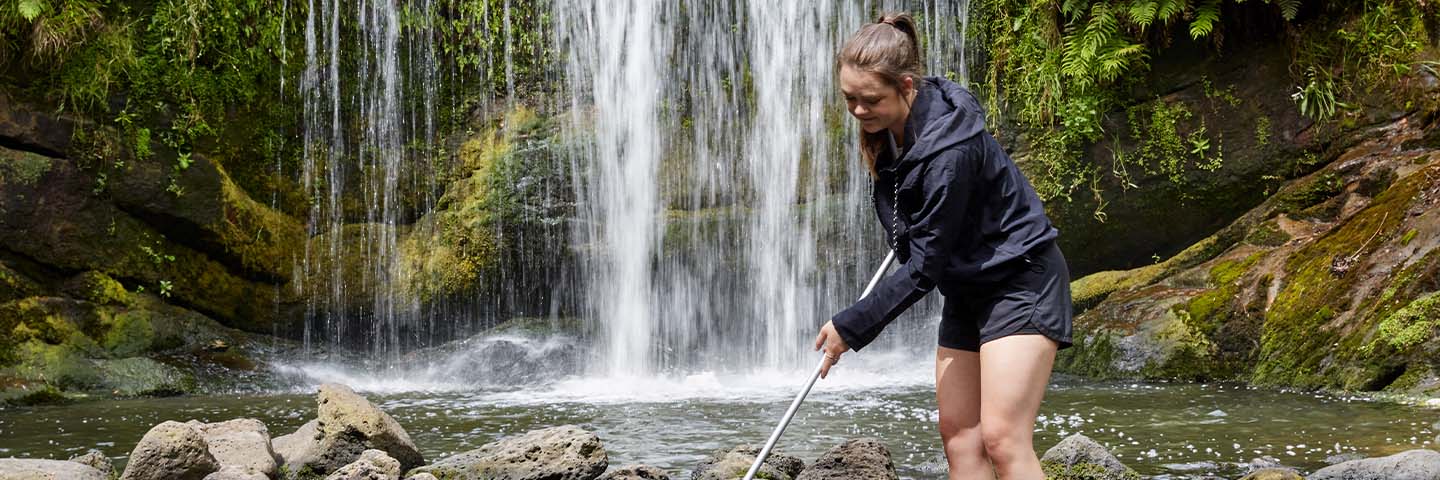
Our Bachelor of Applied Science allow you to get stuck in right away; from working with a range of animals in Te Puna Kararehe (our animal behaviour and husbandry centre) to identifying plants and animals in a forest or wetland, you’ll get all the practical skills you need to hit the ground running and enter the workforce as a highly sought-after graduate. You can major in the following areas:
Animal Behaviour and Welfare
Animal management and welfare is a rapidly growing field of study and work. This unique programme will prepare you with the applied knowledge and skills you need to be successful in a wide range of emerging animal behaviour and welfare careers.
This programme addresses the demand for ethical professionals in industries and organisations associated with the management and care of animals. You’ll develop an understanding of animal behaviour modification, health and welfare, handling and husbandry, conservation, and human/animal interactions.
Biodiversity Management
You’ll explore how ecosystems function and support biological diversity, and how managers of biodiversity (including government agencies, non-statutory organisations, and voluntary bodies) are responding to increasing concern over the impact of human activities on the world.
Find out how society views and influences the natural environment, discover how social, cultural, and policy frameworks influence management decisions and develop your knowledge and skills related to plant identification.
Animal Behaviour and Welfare, and Biodiversity Management
Can’t decide between animals or the environment? Study a double major and you’ll get the best of both worlds, with a selection of animal- and environment-related courses.
Studying for a double major is highly recommended. Double majors further grow your knowledge and capabilities, and it makes you more employable and competitive in the job market.
Programmes and study path
| PROGRAMME | LEVEL | DURATION | CAREER OPTIONS | START DATES |
|---|---|---|---|---|
| Bachelor of Applied Science (Animal Behaviour and Welfare) | 7 | Full-time for three years or part-time options available | Animal behaviour and/or welfare consultant Animal handler Animal welfare inspector Animal welfare scientific officer Welfare education officer | February or July |
| Bachelor of Applied Science (Biodiversity Management) | 7 | Full-time for three years or part-time options available | Biosecurity officer Conservation manager Ecology consultant Environmental officer Geographic information systems (GIS) analyst MPI quarantine officer Regional parks manager | February or July |
| Bachelor of Applied Science (Animal Behaviour and Welfare, and Biodiversity Management) | 7 | Full-time for three years or part-time options available | Animal behaviour and/or welfare consultant Animal facility manager Animal handler Animal welfare scientific officer Biodiversity analyst or advisor Biosecurity analyst or advisor Conservation Manager for DoC or Iwi Ecologist Geographic information systems (GIS) analyst Park ranger (Council or DoC) | February or July |
| Postgraduate Certificate in Applied Science (Biodiversity Management) | 8 | Full-time for 6 months or part-time for 1–2 years | Environmental advisor for business Environmental or biosecurity consultant Programme or project manager Research, laboratory or field technician | February or July |
| Postgraduate Diploma in Applied Science (Biodiversity Management) | 8 | Full-time for 1 year or part-time for 2–3 years | Biodiversity or biosecurity policy analyst Ecologist Environmental advisor for business Environmental or biosecurity consultant Geospatial and land-use specialist Programme or project manager Research, laboratory or field technician | February or July |
| Master of Applied Science (Biodiversity Management) | 9 | Full-time for 18 months. Part-time options available. | Biodiversity or biosecurity policy analyst Biodiversity or conservation advisor Ecologist Environmental advisor for business Environmental or biosecurity consultant Geospatial and land-use specialist Programme or project manager Project coordinator Research, laboratory or field technician Taxonomist | February or July |
Applied Molecular Solutions Laboratory
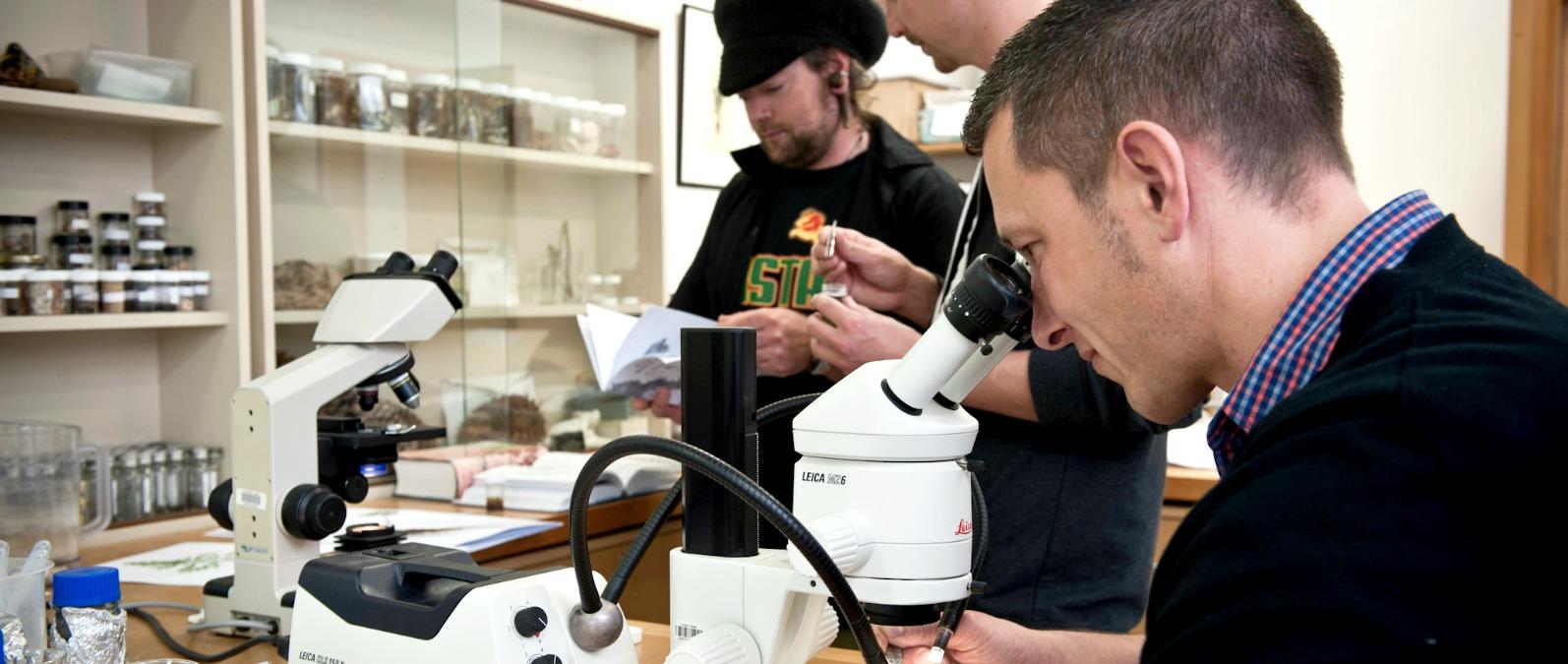
If you’re interested in the genetics of animals, plants and fungi, this lab is fully equipped for DNA extraction and analysis.
Second year Bachelor of Applied Science students gain first-hand experience in the lab, and in their third year if they take on a research project that utilises molecular techniques, this lab will become their second home.
Some cool research projects currently on the go include DNA barcoding of possible biological control agents, bioremediation of contaminated soils, and the molecular analysis of seabird diets.
Te Puna Kararehe
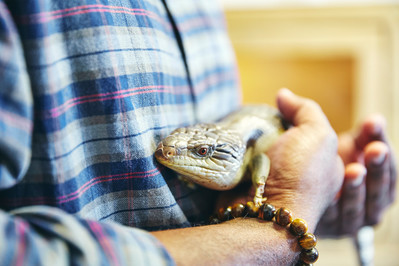
Home to creatures of all shapes and sizes – furry, hairy, and scaly – the Animal Behaviour and Husbandry Centre provides a safe and secure place to learn about the care, health and husbandry of a wide range of companion animal species.
One day you might learn about playful ways to feed a rabbit, or find out what’s involved with a guinea pig’s routine health check. You might also use the facility to undertake behaviour-based research projects like food preference testing with a blue-tongue skink.
Then there’s the added benefit of being able to pet cute animals on your lunch break – something the animals enjoy just as much as you will.
The Herbarium
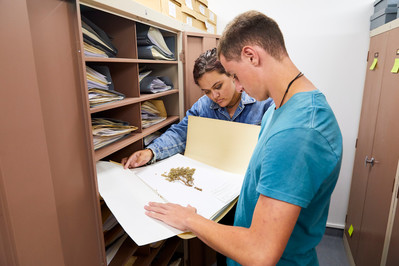
With a collection of 11,500 scientifically preserved plants, fungi, lichens and seaweeds, the Herbarium is where you’ll learn about plant specimen collection and preparation techniques.
Lots of important research work happens in the Herbarium including investigations into invasive and native plants and fungi, as well as the studies of an active lichen research group.
There’s also the opportunity to volunteer to assist with accessioning and curation.
The GIS Laboratory
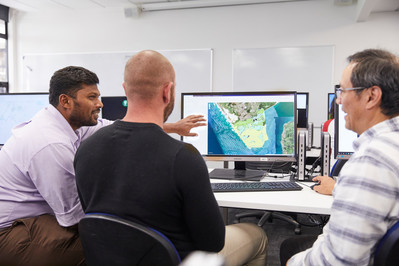
Where science meets tech, the GIS Laboratory has 40 workstations complete with industry standard ArcGIS and associated software.
Running on high-performance Graphics Processing Units on Virtual Device Interfaces, with large 24-inch monitors, these computers can run realistic 3D modelling, spatial analysis, image rendering, and other computing intensive tasks.