As Unitec prepares to join with Manukau Institute of Technology, Pacific-led research will be at the forefront informing the strategic direction of the new institution.
That was the sentiment shared by our senior leaders and researchers at this year’s 2025 ITP Research Symposium – Pacific Stream at Te Puna on Monday.

Organised by the Unitec Pacific Research Fono, the event brought together a range of researchers, practitioners and postgraduate students from across Tāmaki Makaurau to celebrate Pacific-led research.
The aim of the symposium was to showcase innovation, foster collaboration and amplify Pacific voices in research and enterprise by sharing their applied research stories which reflected not only who they are, but the communities they serve.
The programme featured panels and presentations grounded in Pacific knowledge and practice.

In his opening address, Te Pūkenga’s Pounuku Rangahau | Director Rangahau and Research Jamie Smiler said it was vital for Pacific research to be positioned in a place where it can contribute and influence policy and strategy. But the challenge for Pacific researchers was to nurture and grow the seeds of their knowledge so it makes a difference in their communities.
Mr Smiler praised the organisation of the event and expressed his gratitude to everyone involved in making the Pacific Stream a reality.
“Their dedication, generosity, and unwavering support and leadership in this space has created something truly special and impactful,” Mr Smiler shared.
“I was impressed with the quality of work presented as well as the collaboration, care, and commitment that everyone brought to this kaupapa. The way they shared their time, expertise, and alofa (love) speaks volumes about the strength of our collective vision and the power of working towards advancing Pacific outcomes.”

In his keynote address, Executive Director Peseta Sam Lotu-Iiga spoke about the challenges and opportunities that lay ahead, and how important Pacific voices will be in making key decisions for the institution.
“My vision is clear – vocational education must be inclusive. it must be future-focused and deeply connected to the communities we serve. This means embedding Pacific voices and research at the centre of our strategies, and not at the margins,” Peseta says.
Mr Lotu-Iiga applauded the work by kaimahi in bringing the symposium together and highlighted the impact of their mahi.
“Your work is vital, it informs policy, it shapes practice, and most importantly, it changes lives. Let us use this symposium to strengthen our networks, challenge our assumptions and commit to action.”
In her keynote address, Director, Research and Enterprise – MIT & Unitec, Dr Rosanne Ellis gave an update on Tūāpapa Rangahau, Partnering Research and Enterprise Applied Research Strategy that incorporates and embeds Pacific cultural practice and research.

Dr Ellis described the coming together of Unitec and Manukau Institute of Technology as an opportunity for Pacific-led research to make a regional impact in the “world’s largest Pacific city”.
“The merger is happening now and gives us a once in a generation opportunity. We, MIT and Unitec, are now on our Waka Hourua bringing two organisations together, equally valuing the mana, the values, the ethos, by coming together as a twin-hulled waka on this voyage we’re about to embark on,” Dr Ellis says, adding that this opens the door for us to define our research identity focused on regional alignment and growing the regional economy.
“We have a role developing not just Tāmaki Makaurau, but the Far North, and even further north to the South Pacific. MIT-Unitec already has a large presence in the south and west of Auckland where significant Pacific communities reside,” says Dr Ellis.
Referencing a statement made recently at the Pacific Economic Insights Conference hosted by the Auckland Council, Dr Ellis said “Auckland’s economic success cannot be separated from Pacific success.”
What this means for our institution is that Pacific-led and based research must be central to any strategies moving forward. The key to embedding Pacific research into institutional strategy was in co-creation.

“It means genuine shared ownership, shaping the strategy with the people who are closest to the work, including Pacific researchers from the very beginning,” Dr Ellis says.
“Co-creation is grounded in listening before deciding, surfacing lived realities not assumptions, making the invisible visible through stories, symbols and language, and through honouring multiple knowledge systems and cultures equally. In Pacific terms it is deeply connected to Va (the space between), and that is the foundation that ‘we’ are building on.”
Tūāpapa Rangahau is running a series of co-creation workshops into the New Year and Dr Ellis encourages kaimahi to be involved and contribute.

“These workshops are interactive and storytelling driven. We’re asking kaimahi to share real examples of their mahi. Use these insights to then shape capability development pathways and partnership models. What will emerge will directly inform strategy,” she says.
The symposium’s theme ‘Navigating Pacific Success in a Changing Tertiary Environment’ was prominent in the presentations.
Speaking on the Knowledges and Practices Panel, Associate Professor Lefaoalii Dion Enari challenged Pacific people to write their own narratives in his presentation: We need to publish ASAP.
“There are too many times where we complain about something and that’s it. We need to write it down in policy and write it in research and invade the academic space with our Pacific narratives – it helps us be in control of our own destiny,” Assoc Prof Enari says.
“Policy and systems can’t ignore us when it’s written down. When you write and publish it, they can’t ignore it. So that’s why it’s important to publish. All the knowledge that we have passed down to us is an ancestral gift. We will continue to be whitewashed if we don’t tell our stories.”

Speaking on the Pacific Learners & Engagement Panel, Student Experience Partner and this year’s Unitec Champion Award recipient, Tu Nuualiitia spoke about his lived experience how his “caring” approach to pastoral care has led to improved completion rates for Pacific scholarship students in the Trades school.
“This is my sweet spot (working at Unitec). This is where I fit because I am doing something that I love,” he says.
“The Student Engagement Project which I’ve been involved in the last seven years taught me so much about our learners and that all our interactions with them must be personal. Showing we care throughout their journey was a key factor to them completing their course and transitioning.”
Director – Student Success, Annette Pitovao also shared key insights into the work her teams were doing with Pacific learners and ensuring their focus was on responding to their needs and barriers, so they complete their qualifications.

Speaking on the Pacific Research in Vocational Education Panel, MIT / University of Waikato lecturer and former bodyboarding and weightlifting athlete Dr Mihi Nemani shared her lived experience as an early career researcher and how important it was for Pacific researchers to be grounded in their identity.
Speaking on behalf of the Unitec Pacific Research Fono, Interim Manager Pacific Success, Sooalo Daisy Bentley-Gray thanked all the speakers for their inspiring, thought-provoking, and rich talanoa.
“I hope the momentum in fostering and growing a Pacific research culture and presence continues to shape and inform our practices, which ultimately benefit our communities in Auckland and beyond,” she says.
“This is our moment to design a future that honours all our communities and recognises the depth of pacific knowledge that already resides in our institution.”
At the conclusion of the symposium the following awards were presented:
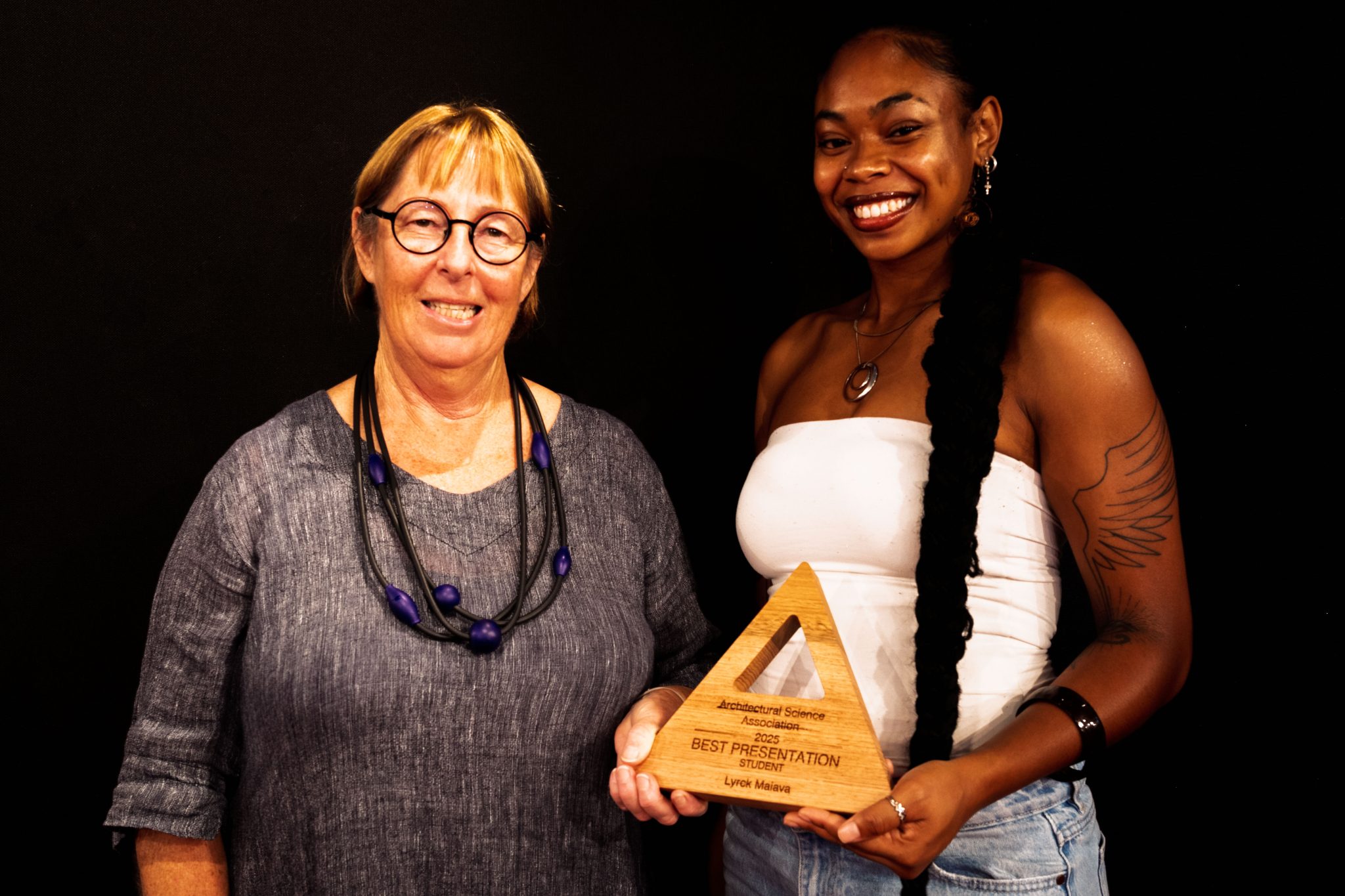
- Pacific Postgraduate Presenter AWARD: Tusipepa Malaga-Tauave
- Emerging and Early Career Researcher (ECR) WINNERS: Maureen Fepuleai (MIT), Genevieve Sang-Yum (Unitec)

ITP Rangahau and Research Symposium
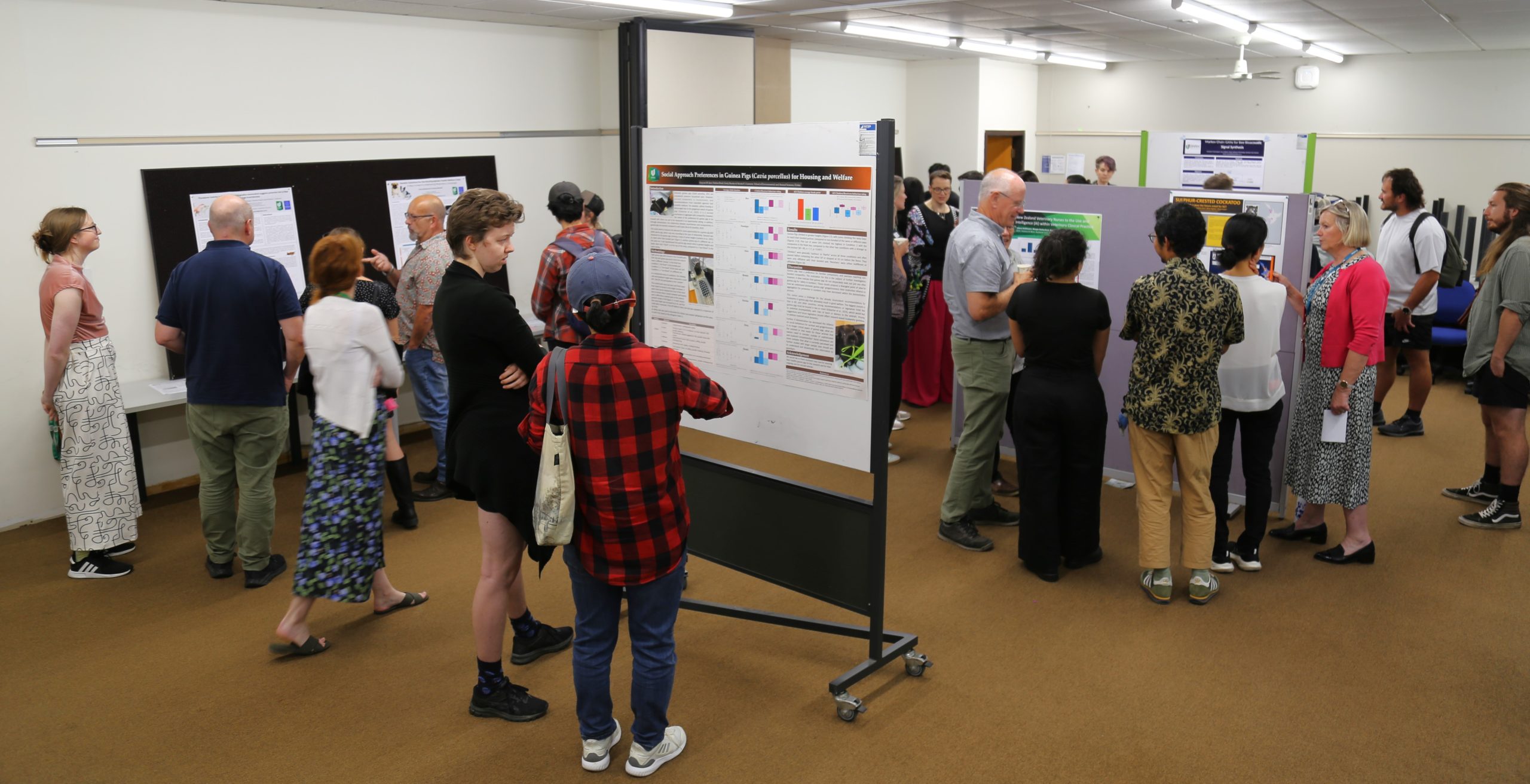
Sixty-five MIT and Unitec kaimahi contributed to the ITP Rangahau and Research Symposium held at Wintec in Hamilton on 2-3 December.
Unitec presented eighteen research outputs (papers and posters), involving 40 authors and resulting in 45 counted research outputs. Most of these are co-authored.
MIT presented 12 research outputs, involving 25 authors and resulting in 34 counted research outputs. Most of these are also co-authored.
In total, approximately 79 research outputs from Unitec and MIT combined were presented.
“This shows the strength of applied research at our providers,” says Dr Ellis.